
The Complete Emergency Fund Guide: How Much to Save and Where to Keep It
How much should your emergency fund actually be, and where should you keep it? A clear, step-by-step guide to building your financial safety net.
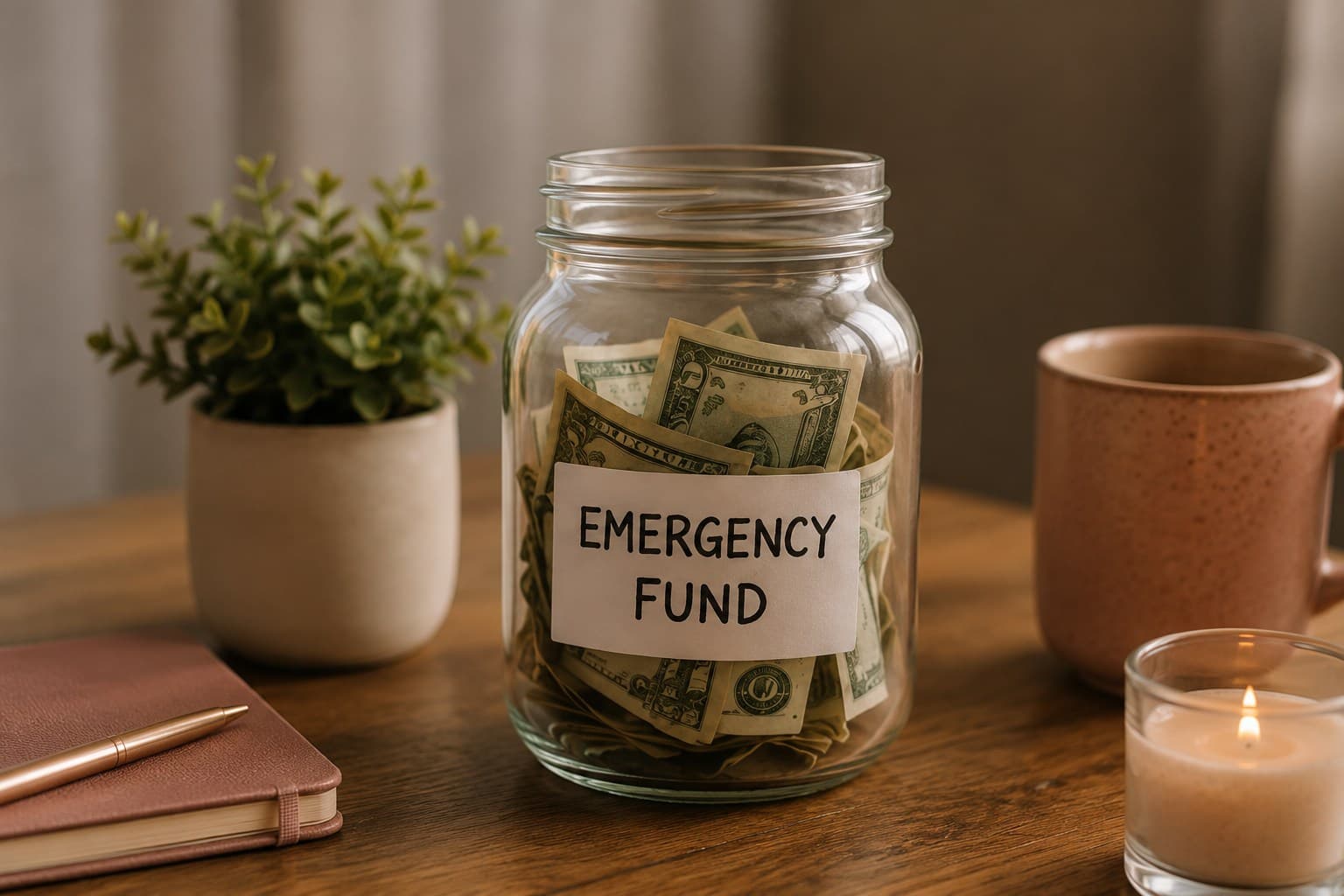
An emergency fund is the single most important piece of financial security you can build, and also one of the most misunderstood. Here's exactly how much you need and where it should live.
Most people should aim for three to six months of essential expenses in an emergency fund, held in an easy-access, high-yield savings account, not invested. If your income is unpredictable or you're the sole earner, lean toward six to nine months instead.
What an emergency fund is actually for
An emergency fund isn't a general savings account for fun purchases, it's specifically there to cover genuine, unavoidable disruptions: job loss, a broken boiler, an urgent car repair, unexpected medical costs. Its entire purpose is to stop a single bad month from turning into a debt spiral.
How much do you actually need?
The classic guideline is three to six months of essential expenses, not your total income, but your actual essential costs: rent or mortgage, utilities, groceries, insurance, minimum debt payments.
| Situation | Suggested target |
|---|---|
| Stable job, dual income household | 3 months of essential expenses |
| Single income, dependents, or variable income | 6 months of essential expenses |
| Freelance, contract, or highly unstable income | 6 to 9 months of essential expenses |
Example
If your essential monthly expenses (not your full lifestyle spending) are £1,500, a 3-month fund is £4,500 and a 6-month fund is £9,000. Calculate the number using your bare essentials, not your everyday spending, to keep the target realistic.
Where to actually keep it
Your emergency fund should be:
- Separate from your everyday spending account, so it's harder to dip into casually
- Easily accessible, typically within a day or two, not locked away for months
- In cash, not invested, the stock market can drop 20%+ in a bad year, and an emergency doesn't wait for a recovery
- Earning some interest, ideally in a high-yield savings account rather than a standard account earning close to nothing
We go into exactly how to choose one in High-Yield Savings Accounts Explained.
How to build it without shocking your budget
Building a full emergency fund from scratch can feel impossible, so break it into stages:
- Starter buffer, £300 to £1,000, purely to absorb small unexpected costs.
- One month of expenses, enough to survive a single bad month without borrowing.
- Full 3 to 6 month target, built gradually through automated, consistent transfers.
Automate a fixed transfer every payday, even if it starts small. Consistency matters more than speed here.
Common mistakes
| Mistake | Why it backfires |
|---|---|
| Investing the emergency fund for higher returns | You may need it exactly when the market is down, forcing a loss to access cash. |
| Keeping it in the same account as everyday spending | Makes it far too easy to quietly spend it on non-emergencies. |
| Calculating the target using full income instead of essentials | Sets an unrealistically high target that feels impossible to reach. |
| Waiting until debt is fully paid off to start | A small emergency fund alongside debt repayment often prevents new debt from unexpected costs. |
Key takeaways
- Aim for 3 to 6 months of essential expenses, more if your income is unstable.
- Keep it in a separate, easy-access, high-yield savings account, never invested.
- Build it in stages: starter buffer, one month, then the full target.
- A small emergency fund alongside debt repayment can prevent new debt from forming.
With your safety net in place, you're ready to think about saving with more specific purpose, which is exactly what sinking funds are designed for.
The Personal Finance Guide
The complete, step-by-step system for understanding your money.
A calm, step-by-step walkthrough of exactly how to organise your money, from your first budget to your first investment, explained simply and without the jargon.
Related articles
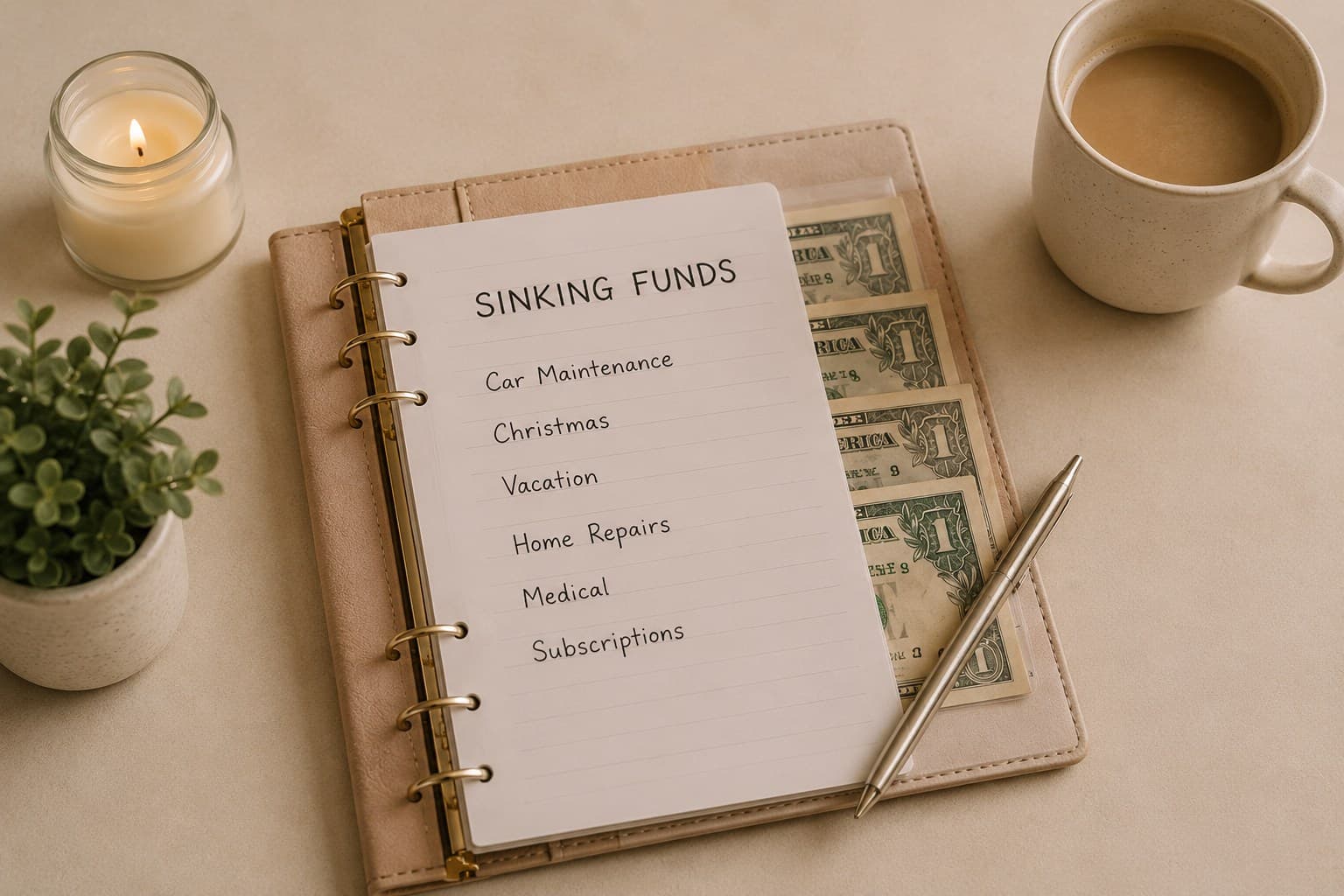
Sinking Funds Explained: The Saving Strategy That Stops Surprise Expenses
Sinking funds are the simplest way to stop 'unexpected' expenses from wrecking your budget. Here's exactly what they are and how to set them up.
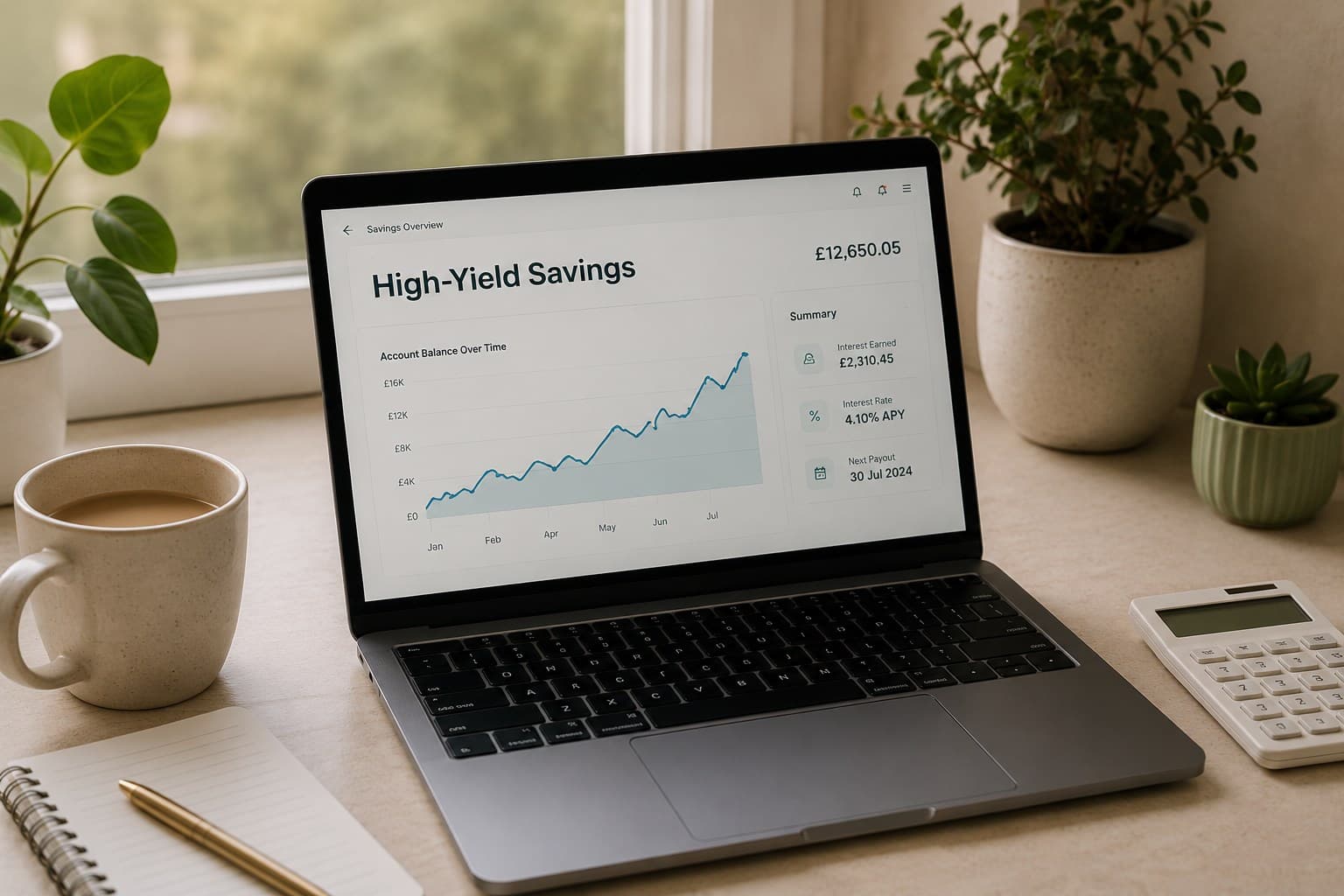
High-Yield Savings Accounts Explained (And Why Yours Might Be Costing You)
If your savings are sitting in a standard account earning almost nothing, you could be quietly losing money to inflation. Here's what a high-yield savings account is and how to choose one.

Investing for Complete Beginners: How to Start With Confidence
Never invested before? Here's a clear, plain-English introduction to what investing actually is, why it matters, and exactly how to take your first step.