About
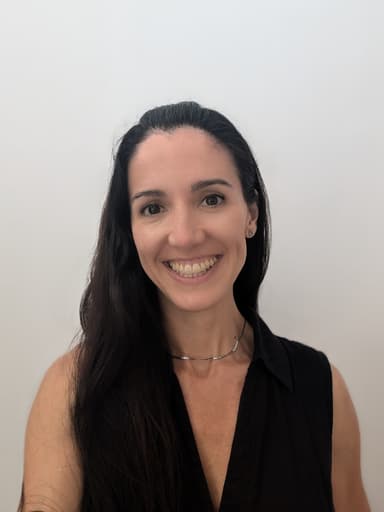
Hi, I'm Ana.
Like many Portuguese people, I grew up with the belief that we should always save money for an “eventualidade”, an unexpected event or a rainy day.
So, for a long time, that’s exactly what I did. I saved as much as I could and kept my money safely in the bank.
Investing was seen as dangerous, I believed it was something for wealthy people or financial experts, and that if I tried it myself, I could lose everything. Although I was curious about investing, the fear of losing the money I had worked hard to save stopped me from learning more.
What nobody explained me at the time was that leaving all my savings in the bank carried a different kind of risk. Over time, inflation was quietly reducing what my money could buy.
During the COVID pandemic, I decided it was time to understand money properly, not only how to budget, save, and invest, but also how my beliefs and fears were influencing the decisions I made.
I started reading books such as The Psychology of Money and Rich Dad Poor Dad, I took courses, listened to podcasts, and spent time learning about personal finance and investing.
The first important lesson wasn’t about choosing investments. It was about understanding my own relationship with money.
I began to recognise the limiting beliefs I had carried with me for years, I had learned to associate saving with safety and investing with danger. I believed that protecting my money meant avoiding risk completely.
By looking more closely at these beliefs, I started to understand where my fears came from and why they felt so powerful. They weren’t based entirely on what I knew about investing. Much of the fear came from what I had been taught, what I hadn’t been taught, and the uncertainty of doing something unfamiliar. Understanding those fears made a huge difference in the way I looked at money.
I learned that fear isn’t always a warning that something is wrong. Sometimes it is a sign that we don’t yet have enough information to feel confident. Instead of allowing fear to make my decisions for me, I could educate myself, understand the risks, and choose what was appropriate for my circumstances.
I also began to understand that investing wasn’t only for wealthy people. It didn’t have to mean making reckless decisions, chasing quick returns, or risking everything I had saved, it could be approached gradually, thoughtfully, and in a way that reflected my own comfort with risk.
Building my financial foundation
Before I started investing, I needed to understand what was already happening with my money.
I began by working out where it went every month, I calculated my regular expenses, looked honestly at my spending habits, and created a realistic budget. Only then I built an emergency fund.
Having that safety net was important because it gave me the security I needed before taking my next financial steps. Only after understanding my expenses and building that foundation did I feel ready to explore investing.
This process taught me that financial confidence doesn’t begin with the stock market. It begins with knowing your numbers and understanding the reasons behind your decisions.
Bringing my analytical side into my finances
I have worked as a data analyst for many years, so I naturally like to understand what numbers are telling me so I created a system to review my finances every month. I bring together my expenses, compare my actual spending with my budget, identify where I’ve spent more than planned, and make adjustments for the following month.
I allocate some money to investing in myself and some to long-term investments. I also recognise that I’m not comfortable taking high levels of risk, so the decisions I make reflect my personal risk tolerance.
This might involve a spreadsheet or two, but I am a data analyst, after all.
My system doesn’t mean that every month goes perfectly or that I never spend more than planned. It means I understand what is happening and can adjust accordingly.
Instead of judging myself for a number, I try to understand what that number is telling me.
Learning about money gave me much more than a budget or an investment account. It gave me choices. My emergency fund was originally created to cover approximately six months of expenses in the UK. So when I decided to move to Bali and start a business from scratch, I realised that the same fund could support me comfortably for much longer because my living costs would be lower.
Ana from the past would have panicked at the thought of leaving a stable life and relying on her savings while building something new. But this money had been set aside for an eventualidade and sometimes the unexpected event isn’t a disaster, sometimes it’s an opportunity.
Because I understood my expenses and had deliberately created a financial safety net, I could invest in myself and pursue a different life without feeling that everything was out of control. That is what financial confidence means to me.
It isn’t about becoming rich overnight, eliminating every risk, or never worrying about money again. It is about understanding your financial position well enough to make informed choices that support the life you want.
Why I created Understand Money with Ana
This website started with a PowerPoint presentation.
Some friends wanted to learn about investing and understand what they should pay attention to before getting started. So I created a presentation and talked them through what I had learned.
Yes, I’m the PowerPoint-presentation-and-Excel-spreadsheet friend.
Those conversations made me realise that many women wanted to understand their finances but didn’t know where to begin.
The problem wasn’t that they were incapable of learning. They simply hadn’t had the fundamentals explained in a clear, relatable, and approachable way.
Many of us also carry beliefs about money that we have never stopped to question. We might believe that we’re bad with money, that investing is only for rich people, or that feeling afraid means we shouldn’t begin.
I created Understand Money with Ana to help women in the UK question those beliefs, understand their numbers, and feel more confident about their financial decisions.
Here, I share what I’ve learned about money mindset, budgeting, saving, investing, and working towards financial independence. My aim is to explain these subjects in an easy and simple way.
Because sometimes we already have an opportunity to create the life we want. We are simply too frightened to take it because we don’t understand our financial position.
Knowledge doesn’t remove every risk, but it helps us understand our options and make decisions with greater confidence.
What this is and what it isn’t
I’m not a financial adviser, and I don’t hold formal financial qualifications, I’m just self-educated and the information I share is based on my research, continued learning, and personal experience. It is intended to help you understand financial concepts, reflect on your relationship with money, and feel more confident asking questions and making your own decisions.
The content on this website is educational and does not constitute personalised financial advice. Everyone’s circumstances are different, so always do your own research and consider speaking with a qualified financial adviser before making an important financial decision.
You don’t need to know everything before you begin. You just need a clear first step.
Explore the free articles on the blog or discover the Personal Finance Guide for a structured introduction to money mindset, budgeting, saving, and investing.